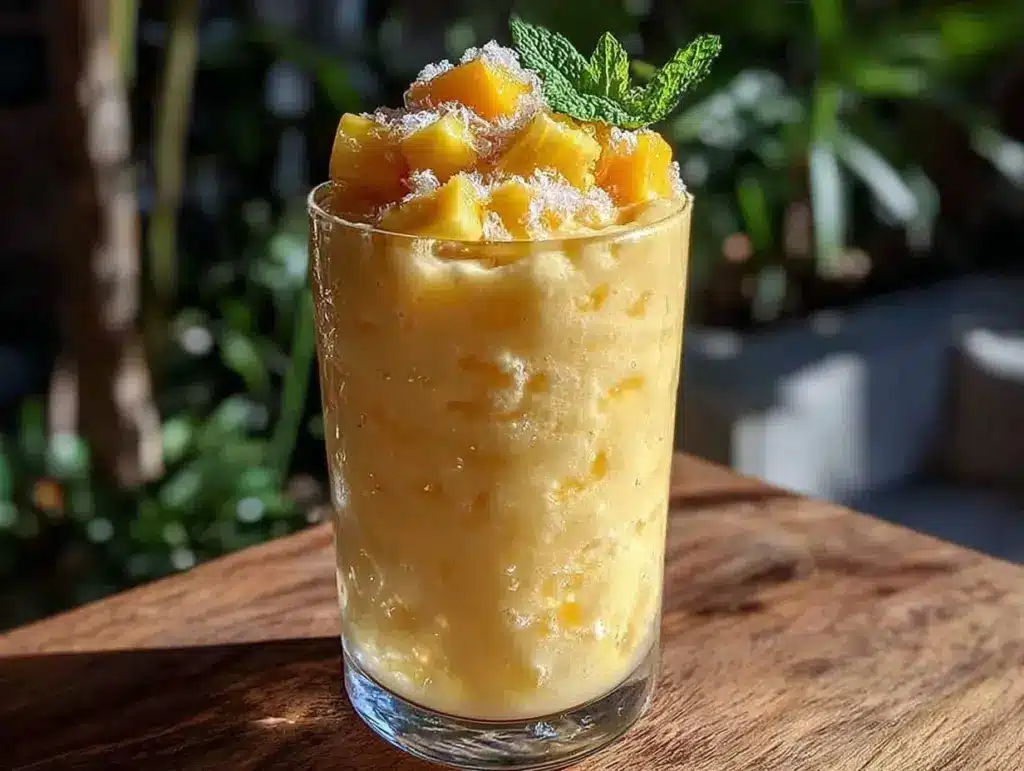
The cool, tangy burst of pineapple juice hitting my tongue — the kind that sneaks up on you before you even realize you’re thirsty — still takes me back to my tiny kitchen on a humid summer afternoon. I remember the blender humming quietly, a gentle whirl that mixed frozen mango chunks with bright pineapple, a splash of coconut water, and a squeeze of lime. Somehow, that simple combination became my go-to when I wanted something refreshing but light, especially on days when I was trying to stay mindful of calories without feeling like I was missing out. It’s funny how a smoothie can hold a whole mood, a little tropical escape in a glass that feels both indulgent and responsible at once.
That’s exactly why this Healthy Calorie Deficit Tropical Smoothie with Mango & Pineapple has stuck with me over the years. It’s not just a drink, but a reminder of slow, sunny moments when I cared enough to treat my body gently without sacrificing flavor. The balance of sweet and tart, smooth and icy, always feels just right — no guilt, just good vibes. And honestly, it’s the kind of recipe you can blend up in minutes, yet it feels like a mini celebration of fresh, wholesome ingredients. So, if you’re after a smoothie that’s both kind to your calorie goals and packed with tropical punch, this one’s for you.
It’s the kind of recipe that quietly promises: you can enjoy your health journey, and still savor every sip.
Why You’ll Love This Recipe
After countless trials (and a few too many thick, heavy smoothies), I finally nailed a recipe that hits the sweet spot for taste and calorie deficit goals. Here’s why this tropical smoothie stands out:
- Quick & Easy: Comes together in under 10 minutes, making it perfect for busy mornings or a refreshing afternoon pick-me-up.
- Simple Ingredients: No fancy or hard-to-find items — just real, fresh produce and pantry staples you probably already have.
- Perfect for Weight Loss: Designed with calorie deficit in mind, so you can enjoy a satisfying treat without tipping the scales.
- Crowd-Pleaser: Whether it’s for a health-conscious brunch or a casual snack, this smoothie gets nods from family and friends alike.
- Unbelievably Delicious: The combo of mango’s sweetness with pineapple’s tang creates a vibrant flavor that feels like a tropical getaway.
What makes this recipe different? It’s all about the textures and balance. The frozen mango chunks give it a creamy thickness without heavy cream or added sugars. Using coconut water instead of juice cuts down calories but keeps that hydrating, tropical essence. And a hint of lime juice adds a subtle zing that wakes up your palate. Honestly, it’s the kind of smoothie that makes you pause and appreciate how simple ingredients can taste so fresh and satisfying.
This recipe isn’t just good; it’s the one I turn to when I want to feel nourished and light, with a little sunshine in every sip. It’s the perfect companion to recipes like irresistible pineapple coconut mojito when you want to keep things tropical but lower in calories.
What Ingredients You Will Need
This recipe uses simple, wholesome ingredients to deliver bold flavor and satisfying texture without the fuss. Most are pantry staples or fresh fruit you can find year-round. Feel free to swap frozen mango for fresh if you prefer, just add a few ice cubes to keep it chilled.
- Frozen Mango Chunks (1 cup / 150g) – adds natural sweetness and creamy texture. I like to use organic frozen mango for best flavor.
- Frozen Pineapple Chunks (1 cup / 165g) – provides bright tang and tropical zing; frozen works best to chill the smoothie.
- Coconut Water (1 cup / 240ml) – hydrates and lightens the blend, low in calories.
- Plain Greek Yogurt (½ cup / 120g) – optional, but adds protein and creaminess; use dairy-free yogurt for a vegan twist.
- Fresh Lime Juice (1 tablespoon / 15ml) – balances sweetness with a citrusy kick.
- Chia Seeds (1 teaspoon / 5g) – optional fiber boost, helps keep you full longer.
- Honey or Agave Syrup (1 teaspoon / 7g) – optional natural sweetener if your fruit isn’t quite ripe enough.
For substitutions, almond milk or plain water can replace coconut water if you want to change up the flavor or reduce calories further. For extra protein, adding a scoop of vanilla protein powder works well, but keep it simple if you want a pure fruit smoothie. If you’re curious, this smoothie pairs beautifully alongside a cozy drink like the cinnamon roll iced coffee for a morning treat with variety.
Equipment Needed
- High-Speed Blender: Essential for smooth, creamy texture; I’ve used both Vitamix and Ninja with great results.
- Measuring Cups and Spoons: For accuracy, especially with liquids and chia seeds.
- Citrus Juicer: Makes squeezing lime juice easier and less messy, but a fork works too.
- Reusable Straw or Glass: Not equipment per se, but drinking your smoothie feels better with a sturdy straw or a chilled glass.
If you don’t have a high-speed blender, a regular blender will do, but you might need to blend a bit longer or add extra liquid to help it along. For an eco-friendly touch, I recommend cleaning your blender immediately after use to avoid staining from the pineapple.
Preparation Method
- Gather all ingredients: Measure out 1 cup (150g) of frozen mango chunks and 1 cup (165g) of frozen pineapple chunks. Using frozen fruit ensures your smoothie is thick and cold without needing ice.
- Add frozen fruit to blender: Place the mango and pineapple chunks into the blender jar.
- Pour in liquids: Add 1 cup (240ml) of coconut water and ½ cup (120g) of plain Greek yogurt. The yogurt adds creaminess and protein but can be omitted for a lighter option.
- Fresh lime juice: Squeeze 1 tablespoon (15ml) of fresh lime juice into the blender. This brightens the flavor and balances the sweetness.
- Add optional ingredients: If you like, toss in 1 teaspoon (5g) of chia seeds for fiber and 1 teaspoon (7g) of honey or agave syrup if your fruit isn’t fully ripe.
- Blend until smooth: Secure the lid and blend on high for about 45 seconds to 1 minute. Stop and scrape down the sides if needed to ensure everything mixes well.
- Check consistency: Your smoothie should be thick but pourable. If it’s too thick, add a splash more coconut water; if too thin, add a few more frozen fruit chunks.
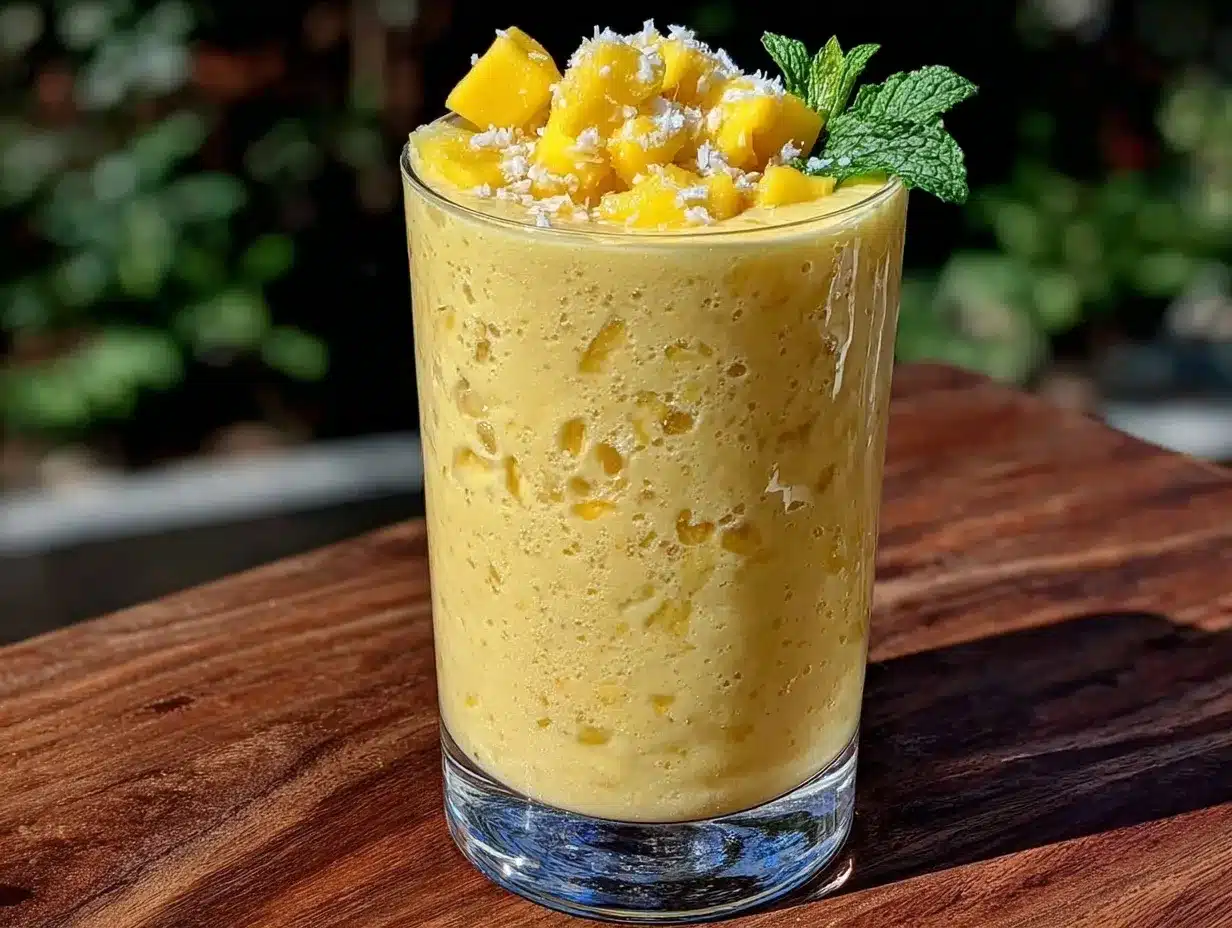
- Serve immediately: Pour into your favorite glass or travel cup. Optionally garnish with a small pineapple wedge or a sprinkle of chia seeds.
Pro tip: blending frozen fruit first before liquids can help prevent a watery smoothie. Also, don’t overblend, or the smoothie might warm up and lose its refreshing chill. The perfect texture feels velvety but still icy enough to sip slowly.
Cooking Tips & Techniques
Getting the right balance in a calorie deficit smoothie isn’t just about ingredients — it’s also about technique. Here are some tips I’ve learned:
- Use frozen fruit: It thickens the smoothie naturally and keeps the calorie count low by avoiding added ice.
- Blend in stages: Start slow to break down chunks, then ramp up speed to get a smooth texture.
- Choose unsweetened liquids: Coconut water or plain water keeps calories down, unlike fruit juices that can add hidden sugars.
- Don’t skip the acid: Lime or lemon juice brightens flavors and prevents the smoothie from tasting flat.
- Add protein wisely: Greek yogurt or a protein powder can help you feel full longer, but avoid sugary or flavored powders to keep it healthy.
- Watch portion sizes: Even healthy smoothies can add up if you’re not mindful of serving size.
- Keep it cold: Smoothies taste best chilled, so use frozen fruit and blend quickly to avoid warming.
One mistake I made early on was overloading my blender with too much liquid, which made the smoothie runny and less satisfying. Also, I used to skip the lime juice, but honestly, it’s a game-changer in balancing the tropical sweetness. If you want a creamier texture without extra calories, I recommend trying dairy-free milk alternatives like almond or oat milk.
Variations & Adaptations
This tropical smoothie is a base for all kinds of delicious twists. Here are some ways you can make it your own:
- Berry Boost: Add a handful of frozen strawberries or blueberries for extra antioxidants and a colorful twist.
- Green Version: Toss in a handful of fresh spinach or kale for a nutrient-packed green smoothie without overpowering the tropical flavors.
- Vegan & Dairy-Free: Swap Greek yogurt for coconut yogurt and use water or almond milk instead of coconut water.
- Higher Protein: Add a scoop of unflavored or vanilla plant-based protein powder to turn it into a post-workout treat.
- Spiced Up: A pinch of ground turmeric or cinnamon adds warmth and anti-inflammatory benefits.
Personally, I’ve experimented with adding a splash of pineapple juice for extra sweetness, but that can increase calories, so it’s best as an occasional treat. For a seasonal twist, try swapping mango for papaya or peach in warmer months. And if you’re craving something creamy but light, blending in half an avocado works wonders.
Serving & Storage Suggestions
This smoothie is best enjoyed fresh and cold, right after blending, to savor its vibrant flavors and refreshing texture. Serve it in a tall glass garnished with a thin pineapple slice or a sprig of fresh mint for a pretty touch.
It pairs beautifully with light breakfasts like whole-grain toast with almond butter or a chia pudding bowl. For a fun brunch, you might want to balance it with fruity cocktails like the mango margarita — just a little reminder that tropical flavors are always a crowd-pleaser!
If you want to store leftovers (though I rarely have any!), pour the smoothie into an airtight container and refrigerate for up to 24 hours. Give it a good stir or shake before drinking since separation happens naturally. Avoid freezing the smoothie as thawing can affect texture.
Flavors tend to mellow after refrigeration, so fresh is always best — but if you want to prep ahead, freeze the fruit in portioned bags so you can whip up a fresh smoothie in minutes.
Nutritional Information & Benefits
This Healthy Calorie Deficit Tropical Smoothie packs a nutritious punch while keeping calories in check. Here’s a rough estimate per serving:
| Nutrient | Amount |
|---|---|
| Calories | 180-220 kcal |
| Protein | 8-10 g (with Greek yogurt) |
| Carbohydrates | 35-40 g (mostly natural sugars from fruit) |
| Fiber | 5-7 g (especially with chia seeds) |
| Fat | 2-4 g (mostly from yogurt or optional avocado) |
Key ingredients like mango and pineapple are rich in vitamin C and antioxidants, which support skin health and immunity. Coconut water provides electrolytes for hydration without added sugar. The chia seeds add omega-3 fatty acids and fiber, helping with digestion and satiety.
For those mindful of dietary needs, this recipe is naturally gluten-free and can be made vegan by swapping dairy ingredients. It’s a light, refreshing option suitable for most weight loss plans, especially because it fills you up without heavy fats or processed sugars.
Conclusion
This Healthy Calorie Deficit Tropical Smoothie with Mango & Pineapple is one of those rare recipes that feels both indulgent and responsible at the same time. It’s a reminder that healthy choices don’t have to be boring or bland — with just a few simple ingredients, you can enjoy a bright, satisfying treat that supports your wellness goals.
Make it your own by adjusting sweetness, adding greens, or boosting protein, depending on your mood and needs. For me, this smoothie is a little tropical pause in a busy day, a taste of sunshine I can sip slowly and feel good about.
If you try it, I’d love to hear how you like to mix it up or what moments this smoothie becomes a part of in your routine. Sharing those small joys is what keeps cooking fun and real.
Here’s to fresh flavors and feeling great, one sip at a time.
FAQs
Can I use fresh mango and pineapple instead of frozen?
Yes, you can! Just add a few ice cubes to keep the smoothie chilled and thick since frozen fruit helps with texture.
Is this smoothie suitable for a vegan diet?
Absolutely. Just swap the Greek yogurt for a plant-based alternative like coconut or almond yogurt and use water or almond milk instead of coconut water if preferred.
How many calories are in this tropical smoothie?
Each serving is roughly 180-220 calories, depending on whether you add yogurt or sweeteners.
Can I prepare this smoothie in advance?
It’s best fresh, but you can store leftovers in the fridge for up to 24 hours. Just give it a good stir before drinking.
What can I add to make this smoothie more filling?
Adding chia seeds, a scoop of protein powder, or half an avocado can help increase fullness without adding too many calories.
Pin This Recipe!
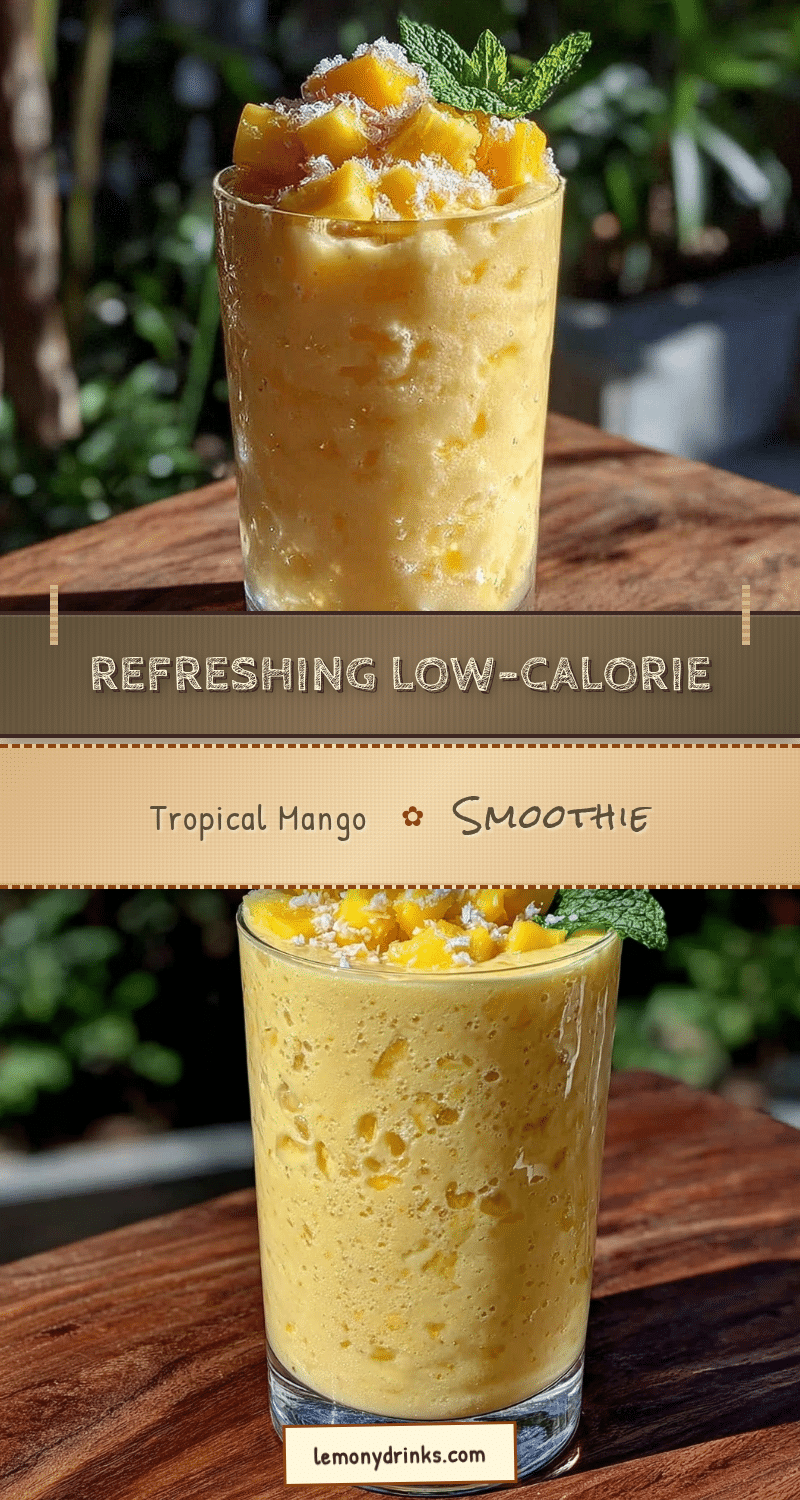
Healthy Calorie Deficit Tropical Smoothie Recipe with Mango and Pineapple for Weight Loss
A refreshing and light tropical smoothie combining frozen mango, pineapple, coconut water, and lime juice, designed to support calorie deficit goals without sacrificing flavor.
- Prep Time: 5 minutes
- Cook Time: 1 minute
- Total Time: 6 minutes
- Yield: 1 serving 1x
- Category: Beverage
- Cuisine: Tropical
Ingredients
- 1 cup (150g) frozen mango chunks
- 1 cup (165g) frozen pineapple chunks
- 1 cup (240ml) coconut water
- ½ cup (120g) plain Greek yogurt (optional, use dairy-free yogurt for vegan)
- 1 tablespoon (15ml) fresh lime juice
- 1 teaspoon (5g) chia seeds (optional)
- 1 teaspoon (7g) honey or agave syrup (optional)
Instructions
- Measure out 1 cup (150g) of frozen mango chunks and 1 cup (165g) of frozen pineapple chunks.
- Place the frozen mango and pineapple chunks into the blender jar.
- Add 1 cup (240ml) of coconut water and ½ cup (120g) of plain Greek yogurt to the blender.
- Squeeze 1 tablespoon (15ml) of fresh lime juice into the blender.
- Add 1 teaspoon (5g) of chia seeds and 1 teaspoon (7g) of honey or agave syrup if desired.
- Secure the lid and blend on high for about 45 seconds to 1 minute, stopping to scrape down the sides if needed.
- Check the consistency; add more coconut water if too thick or more frozen fruit if too thin.
- Pour into a glass and serve immediately, optionally garnished with a pineapple wedge or chia seeds.
Notes
Use frozen fruit to keep the smoothie thick and cold without adding ice. Blend frozen fruit first before liquids to avoid a watery texture. Adjust thickness by adding more coconut water or frozen fruit as needed. For vegan version, swap Greek yogurt with plant-based yogurt and coconut water with almond milk or water. Store leftovers in an airtight container in the fridge for up to 24 hours and stir before drinking.
Nutrition
- Serving Size: 1 glass (about 12-16
- Calories: 180220
- Sugar: 2530
- Sodium: 5070
- Fat: 24
- Saturated Fat: 0.51
- Carbohydrates: 3540
- Fiber: 57
- Protein: 810
Keywords: tropical smoothie, mango smoothie, pineapple smoothie, calorie deficit smoothie, weight loss smoothie, healthy smoothie, vegan smoothie option