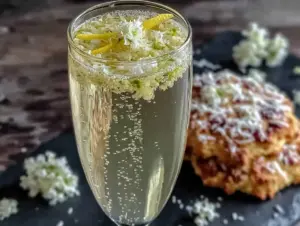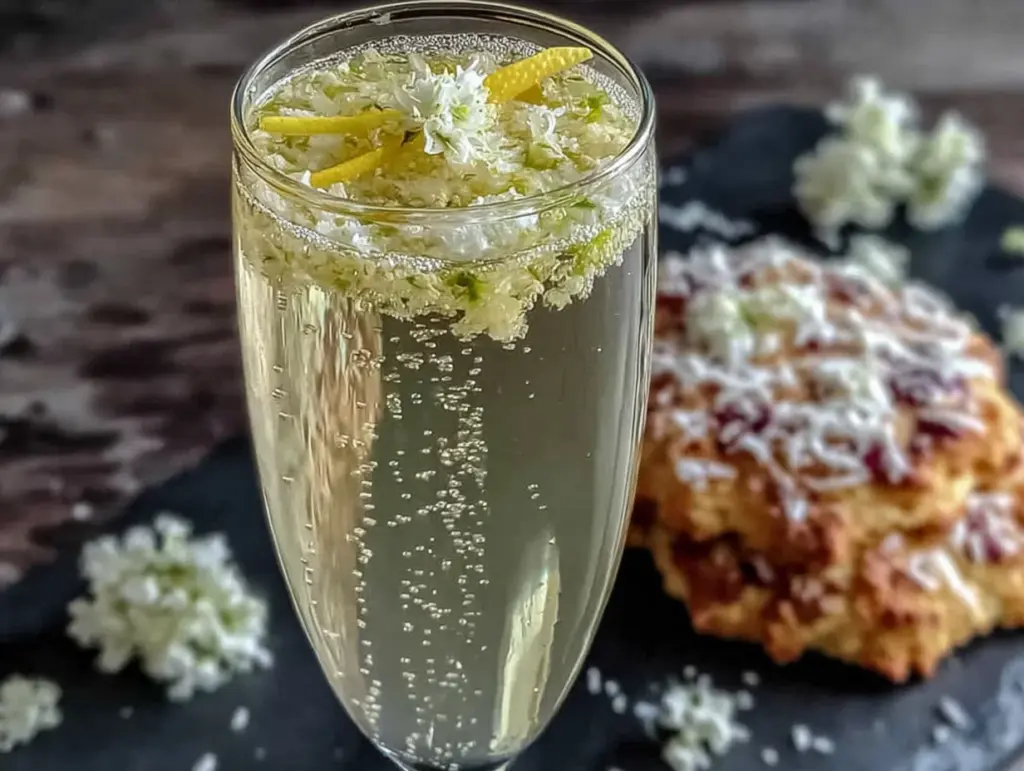
My sister-in-law took one sip of this Non-Alcoholic Elderflower Champagne Cocktail at a baby shower last spring and just froze. I mean, she literally stopped mid-sentence, looked at the glass like it had personally offended her, and then took another sip just to be sure. “Wait,” she said, “this isn’t… real champagne?” And honestly, watching her face cycle through confusion, suspicion, and then pure delight was the best reaction I could have hoped for. That moment right there is why I keep a bottle of elderflower cordial in my fridge at all times.
I wasn’t even trying to impress anyone that day. I just needed a pretty, celebratory drink that everyone could enjoy—pregnant friends, designated drivers, the cousin who doesn’t drink, and the aunt who just prefers something lighter. So I grabbed some sparkling water, a bottle of elderflower syrup I’d been hoarding from a trip to the farmers’ market, and a few fresh herbs from the garden. I figured it would look nice enough. I did not figure it would become the most-requested recipe of the party.
There’s something about elderflower—that delicate, floral, almost pear-like sweetness—that makes everything feel a little more special. It’s not trying to be a fake version of something else. It’s doing its own thing, and honestly, it’s better for it. This easy non-alcoholic elderflower champagne mocktail recipe has become my go-to for bridal showers, New Year’s Eve, or just a Tuesday that needs a little sparkle. It’s proof that you don’t need alcohol to make a drink feel like an occasion.
Why You’ll Love This Non-Alcoholic Elderflower Champagne Cocktail
Let me tell you why this particular drink has earned a permanent spot in my rotation. I’ve tested a lot of mocktails over the years, and most of them fall into one of two camps: too sugary or too boring. This one is neither.
- Quick & Easy: You can have this ready in under five minutes. No shaking, no straining, no complicated syrups to make from scratch. It’s basically a fancy pour-and-stir situation.
- Simple Ingredients: You probably already have sparkling water in your pantry. The elderflower cordial is the only specialty item, and one bottle lasts for months. No weird mixers or obscure liqueurs required.
- Perfect for Any Celebration: Baby showers, bridal brunches, holiday dinners, or just a Friday night that feels like it deserves a toast. It works for every occasion because it’s elegant without being fussy.
- Crowd-Pleaser: I’ve served this to everyone from my whiskey-loving father-in-law to my niece who only drinks juice boxes. Every single person has asked for the recipe. It’s genuinely that good.
- Unbelievably Delicious: The combination of floral elderflower, bright lemon, and crisp bubbles is honestly addictive. It’s refreshing, not cloying, and it has that sophisticated flavor profile that makes you feel like you’re drinking something much more complicated.
What makes this different from every other mocktail out there? It’s the balance. Most non-alcoholic drinks lean too hard on fruit juice to compensate, and you end up with something that tastes like a melted popsicle. This recipe uses the natural floral notes of elderflower, a touch of acidity from fresh lemon, and the clean finish of sparkling water. It’s light, it’s crisp, and it lets the ingredients speak for themselves. Honestly, I’ve had real champagne cocktails that were less interesting than this.
What Ingredients You Will Need
This recipe uses simple, elegant ingredients that work together to create something that feels much more complex than it actually is. Most of these are pantry staples or easy to find at any grocery store.
- Elderflower Cordial or Syrup: This is the star of the show. Elderflower cordial is a sweet, floral syrup made from the blossoms of the elderflower plant. I prefer Bottlegreen or Belvoir Fruit Farms for their balanced flavor—not too syrupy, not too artificial. You can find it in the mixer aisle at most supermarkets or online. (Pro tip: if you can find fresh elderflower cordial at a farmers’ market, grab it. The flavor is noticeably brighter.)
- Sparkling Water or Club Soda: You want something with good, persistent bubbles. I like San Pellegrino or Topo Chico for their fine carbonation, but any quality sparkling water works. Avoid tonic water here—it adds bitterness and quinine flavor that clashes with the delicate elderflower.
- Fresh Lemon Juice: This is non-negotiable. Bottled lemon juice will make your drink taste flat and slightly metallic. You need fresh lemon juice for that bright, clean acidity that cuts through the sweetness. About half a lemon per drink is perfect.
- Fresh Mint or Lemon Balm: A few leaves for garnish, but also for that subtle herbal aroma that hits your nose before you even take a sip. Mint is classic; lemon balm is lovely if you can find it.
- Edible Flowers (Optional): If you want to make this truly elegant, a few pansies, violas, or borage flowers floating on top are stunning. They’re completely edible and make the drink look like something from a fancy hotel bar.
- Ice Cubes: Use clear ice if you can—it melts slower and looks prettier. But honestly, regular ice works just fine.
- Lemon Slices or Wheels: For garnish and a little extra citrus flavor as the drink sits.
Substitution Guidance: If you can’t find elderflower cordial, you can substitute with a good quality elderflower sparkling water or soda, but you’ll need to adjust the sweetness. You can also use a floral honey syrup (equal parts honey and hot water, stirred until dissolved) with a splash of non-alcoholic white wine for a similar vibe. For a completely sugar-free version, use a sugar-free elderflower syrup and stevia-sweetened sparkling water.
Equipment Needed
You don’t need much fancy equipment for this recipe, which is part of the appeal. Here’s what you’ll need:
- Champagne Flutes or Wine Glasses: Flutes are traditional and help preserve the bubbles, but any stemmed glass works. I actually prefer white wine glasses for this—they let the aroma of the elderflower open up more.
- Jigger or Small Measuring Cup: For accurate measurements. Eyeballing works, but a jigger ensures consistency every time.
- Citrus Juicer or Reamer: A simple handheld reamer is fine, but a citrus press makes juicing lemons much faster. I’ve used both, and honestly, the press is worth the counter space if you make a lot of drinks.
- Small Pitcher or Mixing Glass: If you’re making multiple drinks, mixing everything (except the sparkling water) in a small pitcher first saves time and ensures even flavor distribution.
- Sharp Knife and Cutting Board: For slicing lemons and prepping garnishes.
- Cocktail Stirrer or Long Spoon: A chopstick works in a pinch. Just don’t use a fork—you’ll lose bubbles.
If you don’t have champagne flutes, don’t stress. I’ve served this in mason jars at a backyard party and it was still a hit. The glassware matters less than the quality of the ingredients.
Preparation Method
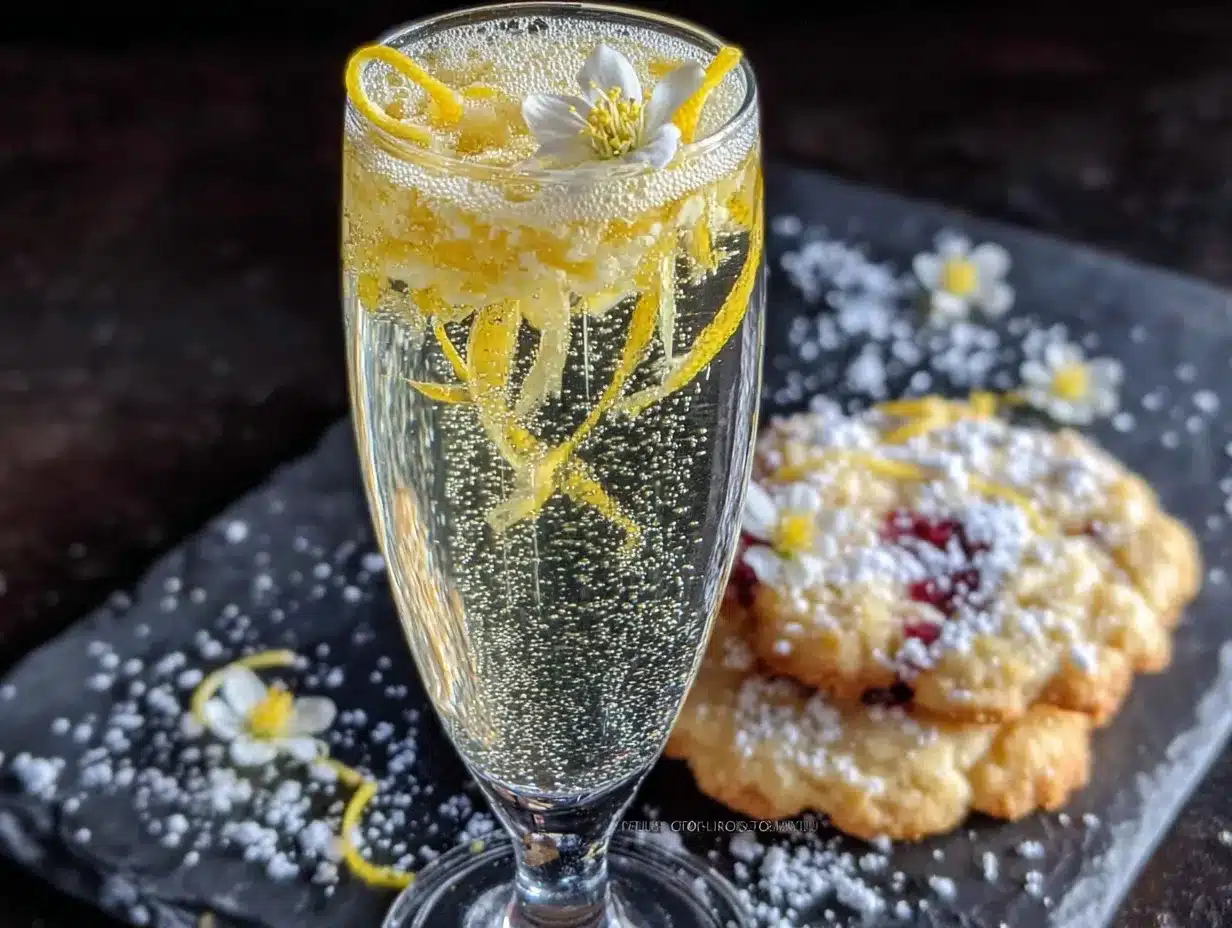
Making this Non-Alcoholic Elderflower Champagne Cocktail is almost embarrassingly easy, but there are a few tricks to getting it just right. Follow these steps and you’ll have a picture-perfect drink every time.
- Chill your glassware. Pop your flutes or glasses in the freezer for at least 10 minutes before you start. A cold glass keeps the drink colder longer and helps maintain carbonation. If you forgot to chill them, just fill the glasses with ice water while you prep, then dump it out right before pouring.
- Juice your lemons. Roll each lemon firmly on the counter with your palm before cutting—this breaks up the internal membranes and releases more juice. Cut the lemon in half crosswise (not lengthwise) and juice it. You’ll need about ½ ounce (15 ml) of fresh lemon juice per drink. Strain out the seeds if any fall in.
- Measure the elderflower cordial. Pour 1½ ounces (45 ml) of elderflower cordial into each glass. If you prefer a less sweet drink, start with 1 ounce (30 ml) and adjust to taste. I’ve found that 1½ ounces is the sweet spot—enough to taste the floral notes without overwhelming the other flavors.
- Add the lemon juice. Pour ½ ounce (15 ml) of fresh lemon juice into each glass over the cordial. Give it a gentle stir with your cocktail stirrer or a chopstick to combine. At this point, the mixture should smell floral and bright, with a hint of tartness.
- Add ice. Fill each glass about two-thirds full with ice cubes. Don’t overfill—you need room for the sparkling water and the bubbles need space to develop. Clear ice is prettier, but regular ice works perfectly fine.
- Top with sparkling water. Slowly pour chilled sparkling water into each glass, filling to about ½ inch from the rim. Pouring slowly helps preserve the carbonation—if you dump it in too fast, you’ll lose half the fizz. I like to pour it down the side of the glass rather than directly onto the ice.
- Garnish. Gently slap a mint sprig between your palms to release its oils, then place it in the glass. Add a thin lemon wheel or slice on the rim, and if you’re using edible flowers, float one or two on top. The flowers should sit right on the surface of the liquid—don’t push them under.
- Serve immediately. This drink is best enjoyed within the first 10 minutes of making it, while the bubbles are still lively. If you’re serving a crowd, mix everything except the sparkling water in a large pitcher ahead of time, then add the sparkling water and ice just before serving.
Troubleshooting Tip: If your drink tastes flat, you probably used warm sparkling water or poured it too aggressively. Always use chilled sparkling water and pour gently. If it tastes too sweet, add a squeeze more lemon juice next time. If it’s too tart, add a tiny drizzle of honey or agave to balance it out.
Cooking Tips & Techniques
After making this drink more times than I can count (and a few spectacular failures along the way), I’ve picked up some tricks that make a real difference.
The Ice Matters More Than You Think. I learned this the hard way when I served these at a brunch and the drinks were watery within five minutes. Use large, dense ice cubes if you can—they melt slower and don’t dilute the drink as quickly. If you’re using regular ice from a tray, fill the glass generously. More ice means less dilution.
Don’t Skip the Lemon Juice. I tried making this without lemon once because I was out and thought, “It’s floral and bubbly, how different can it be?” The answer: very different. The lemon juice is what keeps the drink from tasting like straight syrup. It provides that essential acid balance that makes your mouth want another sip. Without it, the elderflower tastes cloying and one-dimensional.
Temperature Control is Everything. Every single ingredient should be cold before you start. The elderflower cordial, the sparkling water, the glassware—everything. Room temperature ingredients will kill your carbonation and result in a lukewarm, sad drink. I keep my elderflower cordial in the fridge door so it’s always ready to go.
Batch Prep for Parties. For larger gatherings, I mix the elderflower cordial and lemon juice in a large pitcher (about 2 cups cordial to ¾ cup lemon juice for 8 servings) and keep it in the fridge. When guests arrive, I fill glasses with ice, pour the base mixture, and top with sparkling water. This method saves so much time and ensures every drink is consistent.
The Mint Slap. This isn’t just for show. Slapping the mint sprig between your palms before adding it to the glass releases the essential oils and makes the mint aroma much more pronounced. It’s a small step that makes a big difference in how the drink smells and tastes.
Variations & Adaptations
One of the best things about this Non-Alcoholic Elderflower Champagne Cocktail is how easily it adapts to different tastes and occasions. Here are a few variations I’ve tried and loved.
Berry Elderflower Sparkler: Add a handful of fresh raspberries or blackberries to the glass before pouring the elderflower mixture. Muddle them gently with a spoon to release their juice. The berries add a beautiful pink hue and a tart-sweet flavor that pairs beautifully with the floral elderflower. This version is especially pretty for Valentine’s Day or a romantic dinner.
Herbal Garden Version: Swap the mint for fresh thyme or rosemary sprigs. The earthy, piney notes of rosemary are surprisingly good with elderflower. I also add a thin slice of cucumber to the glass for extra freshness. This is my go-to version for summer garden parties.
Citrus Twist: Replace half the lemon juice with fresh lime or grapefruit juice. Lime gives it a more tropical vibe, while grapefruit adds a pleasant bitterness that cuts through the sweetness. A grapefruit version with a sprig of thyme is absolutely gorgeous.
Warm Weather Slushie: Blend the elderflower cordial, lemon juice, and a handful of ice with a splash of sparkling water until slushy. Pour into a glass and top with a little more sparkling water. It’s like a fancy adult snow cone, and it’s dangerously refreshing on a hot day.
Dietary Adaptations: For a sugar-free version, use a sugar-free elderflower syrup and swap the sparkling water for a zero-calorie sparkling water. For a low-histamine or low-acid version, replace the lemon juice with a splash of white grape juice and a tiny pinch of citric acid. The floral flavor still shines through.
Serving & Storage Suggestions
This drink is best served immediately, but with a few smart strategies, you can still enjoy it even if you’re making it ahead.
Serving Temperature: Serve this drink ice-cold. If you’re serving it outdoors on a warm day, keep the sparkling water and elderflower mixture in a cooler until you’re ready to pour. I’ve also frozen lemon juice and mint leaves into ice cubes to keep the drink cold without diluting it—highly recommend this trick.
Presentation Tips: For a truly elegant look, rim the glasses with a thin layer of superfine sugar. Dip the rim in a shallow dish of lemon juice, then into a dish of sugar. Let it dry for a minute before filling. It adds a subtle sweetness and a professional touch. Edible flowers floating on top are also a showstopper.
Complementary Dishes: This cocktail pairs beautifully with light appetizers like goat cheese crostini, smoked salmon blinis, or fresh fruit tarts. It’s also lovely alongside a strawberry basil mimosa if you’re serving a mix of alcoholic and non-alcoholic options. For brunch, serve it with quiche or a fresh green salad.
Storage: You can mix the elderflower cordial and lemon juice base up to 24 hours in advance and store it in a sealed container in the refrigerator. Do not add the sparkling water until you’re ready to serve, or you’ll lose all the carbonation. Leftover cordial mixture keeps for about a week in the fridge.
Reheating: You don’t reheat this drink (please don’t). But if you have leftover mixed drink that’s gone flat, you can repurpose it as a simple syrup for pancakes or drizzle it over vanilla ice cream. The floral flavor is lovely in desserts.
Nutritional Information & Benefits
This Non-Alcoholic Elderflower Champagne Cocktail is surprisingly light compared to most party drinks. Here’s the estimated nutritional breakdown per serving (based on using standard elderflower cordial and sparkling water):
- Calories: Approximately 60-80 calories per serving (depending on the brand of cordial)
- Sugar: 12-15 grams (mostly from the elderflower cordial)
- Carbohydrates: 15-18 grams
- Fat: 0 grams
- Protein: 0 grams
- Sodium: 10-20 mg
Health Benefits: Elderflower has been used in traditional herbal medicine for centuries. It’s known for its anti-inflammatory properties and is often used to soothe cold symptoms and support immune health. The flowers contain flavonoids and antioxidants that may help reduce oxidative stress. The fresh lemon juice adds a dose of vitamin C, which supports immune function and helps your body absorb iron from other foods.
Dietary Considerations: This recipe is naturally vegan, gluten-free, dairy-free, and nut-free. It contains no alcohol, making it suitable for pregnant women, designated drivers, and anyone avoiding alcohol for any reason. If you’re watching your sugar intake, look for a low-sugar elderflower cordial or use a sugar-free version. The calorie count is significantly lower than most alcoholic cocktails, which typically range from 150-300 calories per serving.
Potential Allergens: Elderflower is generally safe for most people, but those with allergies to plants in the Adoxaceae family (which includes honeysuckle and some ornamental shrubs) should exercise caution. Always check the label on your elderflower cordial for any added ingredients or preservatives that might be allergens.
Conclusion
This Non-Alcoholic Elderflower Champagne Cocktail has become my secret weapon for hosting. It’s the drink that makes everyone feel included, that turns a regular Tuesday into a celebration, that proves you don’t need alcohol to make something feel special. Every time I serve it, someone asks for the recipe, and every time I watch someone take that first sip and their eyes go wide, I remember why I love it so much.
I hope you’ll make this your own. Play with the garnishes, try different herbs, adjust the sweetness to your liking. That’s the beauty of a simple recipe like this—it’s a starting point, not a rulebook. Whether you’re serving it at a baby shower, a holiday dinner, or just because you need a little sparkle in your day, this drink delivers.
If you try this recipe, I’d love to hear about it. Leave a comment below and let me know what variations you came up with, or tag me in your photos if you share them online. And if you’re looking for more elegant, easy drinks to add to your rotation, don’t miss our DIY flavored cocktail ideas or this gorgeous rose lemonade recipe for another floral favorite. Cheers to making every moment feel like an occasion!
Frequently Asked Questions
Can I make this Non-Alcoholic Elderflower Champagne Cocktail ahead of time for a party?
Absolutely, but with one important rule: don’t add the sparkling water until you’re ready to serve. You can mix the elderflower cordial and lemon juice base up to 24 hours in advance and store it in a sealed container in the refrigerator. When guests arrive, simply pour the base over ice, top with sparkling water, and garnish. This method saves time and ensures every drink is perfectly bubbly.
What can I use instead of elderflower cordial if I can’t find it?
If elderflower cordial isn’t available, try using a good quality elderflower sparkling water or soda as a base, then adjust the sweetness with a little honey or simple syrup. You can also make a floral syrup by steeping dried edible flowers (like lavender or chamomile) in hot water with sugar, then straining. It won’t taste exactly the same, but it will still be delicious and floral.
Is this drink suitable for kids and pregnant women?
Yes, completely! This drink contains no alcohol whatsoever, making it safe for everyone, including children and pregnant women. It’s also free of caffeine and other stimulants. The only thing to be mindful of is the sugar content if you’re using a standard elderflower cordial—you can always dilute it with extra sparkling water or use a low-sugar version.
How do I keep the bubbles from going flat too quickly?
The key to maintaining carbonation is starting with everything ice-cold. Chill your glassware, your sparkling water, and your elderflower cordial before you start. Use large, dense ice cubes that melt slowly, and pour the sparkling water gently down the side of the glass rather than directly onto the ice. Serve immediately and enjoy within 10-15 minutes for the best fizz.
Can I use this recipe as a base for an alcoholic cocktail?
Absolutely! If you want to add alcohol, this recipe works beautifully with a splash of gin, vodka, or even a dry sparkling wine. Gin and elderflower are a classic pairing—just add 1½ ounces of gin to the base mixture before topping with sparkling water. You can also use prosecco instead of sparkling water for a fully sparkling version. Just remember to label the drinks clearly if you’re serving both versions at a party.
Pin This Recipe!
Easy Non-Alcoholic Elderflower Champagne Mocktail Recipe

A quick and elegant non-alcoholic mocktail made with elderflower cordial, fresh lemon juice, and sparkling water. Perfect for any celebration, this floral and refreshing drink is a crowd-pleaser that makes everyone feel included.
- Prep Time: 5 minutes
- Cook Time: 0 minutes
- Total Time: 5 minutes
- Yield: 1 serving 1x
- Category: Beverage
- Cuisine: American
Ingredients
- 1½ ounces (45 ml) elderflower cordial or syrup
- ½ ounce (15 ml) fresh lemon juice
- Chilled sparkling water or club soda
- Ice cubes
- Fresh mint or lemon balm sprigs for garnish
- Lemon slices or wheels for garnish
- Edible flowers (optional, for garnish)
Instructions
- Chill your glassware in the freezer for at least 10 minutes, or fill with ice water while prepping.
- Roll lemons firmly on the counter, cut in half crosswise, and juice. Measure ½ ounce (15 ml) fresh lemon juice per drink.
- Pour 1½ ounces (45 ml) elderflower cordial into each chilled glass.
- Add ½ ounce (15 ml) fresh lemon juice to each glass and stir gently to combine.
- Fill each glass about two-thirds full with ice cubes.
- Slowly pour chilled sparkling water into each glass, filling to about ½ inch from the rim. Pour down the side of the glass to preserve carbonation.
- Garnish with a slapped mint sprig, a lemon wheel, and optional edible flowers.
- Serve immediately, within 10 minutes for best fizz.
Notes
For best results, chill all ingredients and glassware before making. Use large, dense ice cubes to slow dilution. The lemon juice is essential for balance—do not skip it. For parties, mix the elderflower cordial and lemon juice base up to 24 hours in advance and add sparkling water just before serving.
Nutrition
- Serving Size: 1 glass (about 8 oz)
- Calories: 6080
- Sugar: 1215
- Sodium: 1020
- Carbohydrates: 1518
Keywords: non-alcoholic elderflower champagne mocktail, elderflower mocktail, non-alcoholic champagne, elderflower drink, mocktail recipe, party drink, baby shower drink, floral mocktail